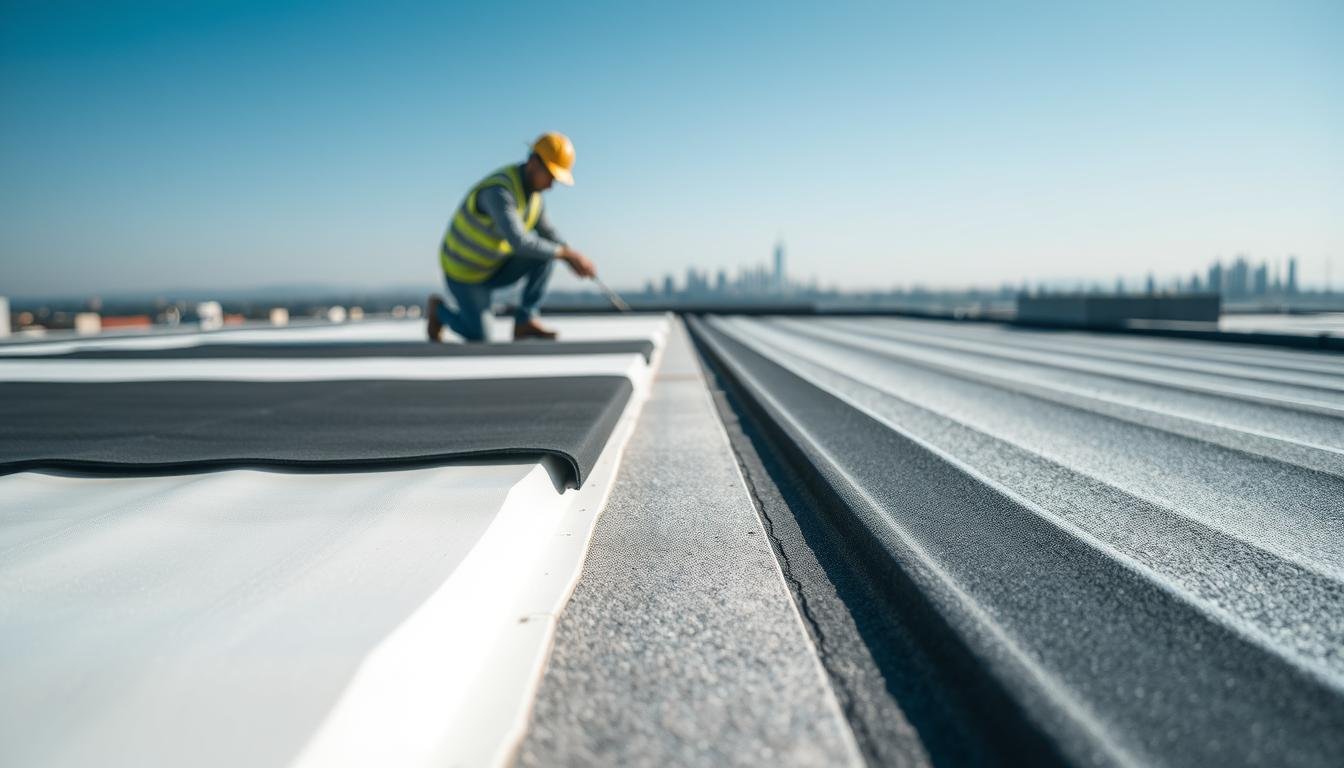
Membrane Compatibility and Adhesive Selection for Flat Roofing Sheets

Have you ever wondered why VULCAN Plastics flat roofing sheets last for decades while others fail prematurely? The secret often lies in membrane compatibility and adhesive selection. When managing commercial flat roofing, understanding how different materials interact is crucial for your project’s success. Whether you are considering rubber roofing sheets or metal roofing materials, the right choices regarding flat roofing sheets can significantly impact waterproofing, energy efficiency, and overall durability.
Choosing incompatible membranes or adhesives can lead to costly repairs and a reduced lifespan for your flat roofing sheets. VULCAN Plastics provides advanced solutions tailored for the unique demands of the American commercial market. Early decisions regarding membrane types and adhesives will shape your roof’s performance and warranty coverage. This section lays the groundwork for making informed choices about flat roofing sheets and highlights how VULCAN Plastics can support your roofing needs.
Key Takeaways
- Membrane compatibility is essential for the longevity of flat roofing sheets.
- Incompatible materials can lead to significant repair costs.
- VULCAN Plastics offers tailored solutions for commercial flat roofing.
- Choosing the right adhesive impacts energy efficiency and waterproofing.
- Understanding your roofing materials is key to project success.
Why is Membrane Compatibility Important for Flat Roofing Sheets?
Understanding membrane compatibility is essential for your flat roofing sheets. Choosing the right membrane can prevent costly failures and extend the life of your roof. Several factors influence compatibility, which you should consider before making a decision.
What Factors Affect Membrane Compatibility?
Compatibility depends on various factors, including:
- Type of roof deck (steel, concrete, or wood)
- Local climate conditions (temperature extremes and UV exposure)
- Insulation materials used beneath your flat roofing sheets
For instance, an EPDM roofing membrane is ideal for cold climates and resists ponding water. TPO roofing systems provide reflective surfaces that work well in warmer regions. PVC roofing membranes offer chemical resistance, making them suitable for commercial flat roofing applications.
How to Determine Compatibility with Existing Structures?
To assess compatibility, evaluate the substrate conditions. Ensure that the membrane and adhesive systems are designed to work together seamlessly. This step is crucial to avoid issues like seam failures and moisture infiltration.
What are the Benefits of Choosing Compatible Membranes?
Selecting compatible membranes for your flat roofing sheets provides numerous advantages:
- Enhanced waterproofing
- Longer lifespan of the roofing system
- Maintaining manufacturer warranty coverage
VULCAN Plastics offers a range of compatible membrane products and expert advice tailored to your flat roofing sheets project. Their guidance ensures you make informed decisions that protect your investment.
How Do You Select the Right Adhesive for Flat Roofing Sheets?
Selecting the right adhesive for your flat roofing sheets is crucial for a secure and durable roofing system. Various types of adhesives cater to different needs and environmental conditions. Understanding these options will help you make an informed choice.
What Types of Adhesives are Available for Flat Roofing Sheets?
There are several adhesive types available for flat roofing sheets, including:
- Polyurethane adhesives
- Asphalt-based cements
- Cold-applied formulations
Each type offers unique benefits suited for specific applications, ensuring that your flat roofing sheets remain securely attached.
How Does Weather Impact Adhesive Selection for Flat Roofing Sheets?
Weather conditions play a significant role in adhesive performance. Factors such as temperature and moisture can affect how adhesives cure and bond. In regions with extreme weather, selecting an adhesive designed for those conditions is essential. This ensures that your waterproof roof sheets perform optimally, even in harsh climates.
What are the Key Properties to Look for in Adhesives?
When evaluating adhesives for flat roofing sheets, consider the following key properties:
- Adhesion strength to various substrates
- Flexibility to accommodate thermal movement
- Durability against weathering
VULCAN Plastics provides high-quality adhesives tailored to meet these requirements, ensuring your flat roofing sheets remain securely bonded and protected throughout their service life.
How Can VULCAN Plastics Enhance Your Flat Roofing Sheets Project?
VULCAN Plastics can elevate your flat roofing sheets project with a diverse range of high-performance products tailored for commercial flat roofing. Their offerings include durable rubber roofing sheets and advanced PVC roofing membranes, ensuring you have the right materials for your installation needs.
What distinguishes VULCAN Plastics in the USA market is their unwavering commitment to quality and innovation. Their products are designed for compatibility with various roofing systems, providing optimal bonding and waterproofing for your flat roofing sheets. This reliability helps ensure that your roofing project withstands harsh weather conditions while delivering long-lasting performance.
Beyond just products, VULCAN Plastics provides invaluable support. You can expect expert technical guidance and installation advice, making the complexities of your flat roofing sheets project more manageable. With VULCAN Plastics, you gain access to reliable materials and professional assistance that enhance the durability and success of your installation.